When minutes matter
August 6, 2026
Cardiac arrest is a medical emergency, and what happens in the first few minutes can mean the difference between life and death. A person’s chance of survival falls as much as 10% with every minute that passes without starting CPR.
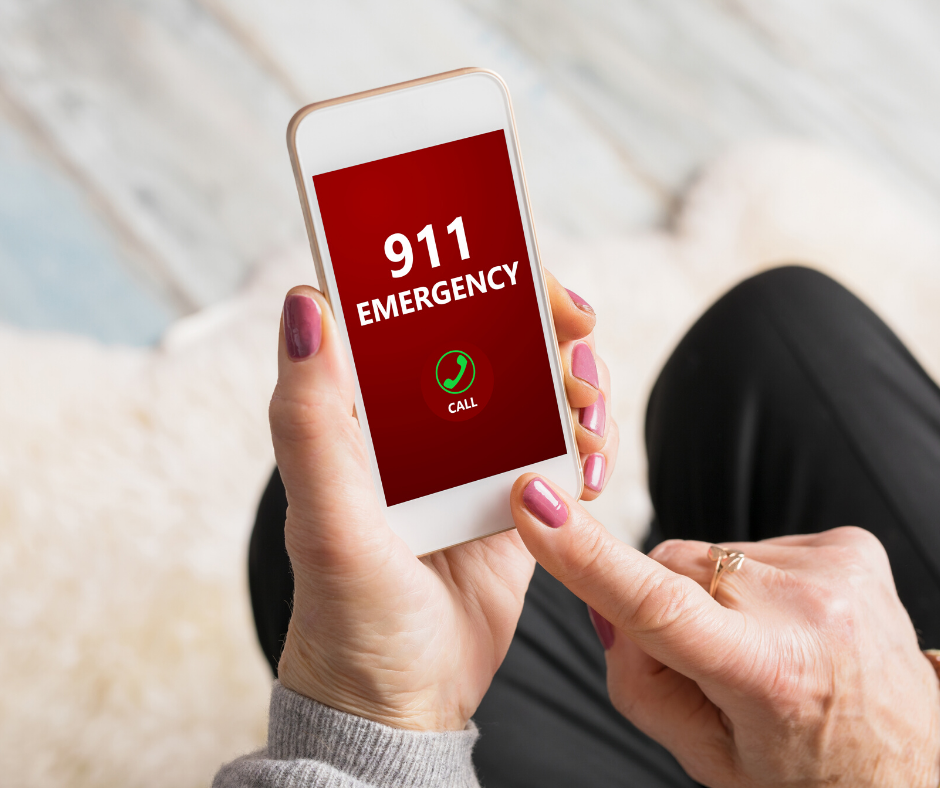
Almost all cardiac arrests result in a call to 911 for help. With the right training, 911 telecommunicators can talk callers through how to perform CPR while first responders are in route. Immediate bystander CPR can double, even triple chances of survival and that is why we are working to ensure that all 9-1-1 dispatchers in Hawaii are trained on how to walk someone through administering CPR.
Most people assume when they call 9-1-1 the person who answers will be able to walk them through administering CPR if it is needed, but that is not guaranteed in Oregon. We are currently working to ensure all 9-1-1 dispatchers are trained in how to provide CPR instructions over the phone. Dispatchers with the right training can coach callers with real-time, step-by-step instructions, enabling callers to become lifesavers, while first responders are on their way. This process is known as dispatcher-assisted CPR or Telephone-CPR (TCPR). High-quality telecommunicator (T-CPR) program will help save lives from out-of-hospital cardiac arrest and strengthen the chain of survival.