Tobacco Control Policies: 5 Ways We Can Reduce Tobacco Use and Protect Health
June 22, 2026
Everyone deserves the chance to live a longer, healthier life. But tobacco and nicotine products get in the way because they harm nearly every organ of the body – including your heart and brain – and because the environments around us still make these products too easy to access, especially for young people.
When harmful tobacco and nicotine products are widely available, heavily marketed or made more appealing, more people start using them, and more families face preventable disease. This helps explain why tobacco use remains a leading cause of preventable death.
The good news: We know what works. Proven policies can reduce exposure to secondhand smoke and aerosol from vapes, prevent addiction and support people in quitting. When people come together to advocate for public policy solutions, change happens.
Why tobacco control policies matter
Tobacco control policies shape environments where people make decisions about tobacco use. When harmful products are easier to access or more heavily marketed, more people start using them, leading to higher rates of heart disease and other chronic conditions.
1. Smoke-free laws protect clean air
Everyone deserves clean air – at work, at home and in public places. But when cigarette and vape use are allowed indoors or in shared spaces, harmful chemicals enter the air that everyone in that space breathes every day.
This exposure damages nearly every organ of the body including your heart and brain over time – even for people who don’t use tobacco. That’s why there is no safe level of exposure.
How policy helps:
Smoke-free laws that include vaping reduce exposure to harmful chemicals and support healthier environments. As a result, fewer people start using tobacco and more people are able to quit.
👉 Take action: Advocate for policies that ensure clean, smoke-free air for everyone.
2. Tobacco taxes reduce tobacco use
Young people are especially sensitive to price. When tobacco products are inexpensive, it’s easier to start allowing addiction to take hold early.
But when the price of tobacco increases, fewer young people begin using these products and more people who already use them decide to quit.
How policy helps:
Tobacco taxes make harmful products less accessible and less appealing. This helps prevent addiction and supports people who are trying to quit.
👉 Take action: Speak up for policies that raise the price of tobacco products.
3. Quit programs help people stop using tobacco and nicotine products
Many people who use tobacco want to quit, but quitting is difficult, especially without support.
Without access to approved medications and programs like coaching, counseling and quitlines, people face greater barriers to overcoming addiction.
How policy helps:
When communities invest in prevention and cessation programs, people have the tools they need to quit and stay tobacco-free. This reduces long-term health risks and helps families thrive.
👉 Take action: Support funding for programs that help people quit tobacco and nicotine for good.
4. Flavored tobacco policies protect kids
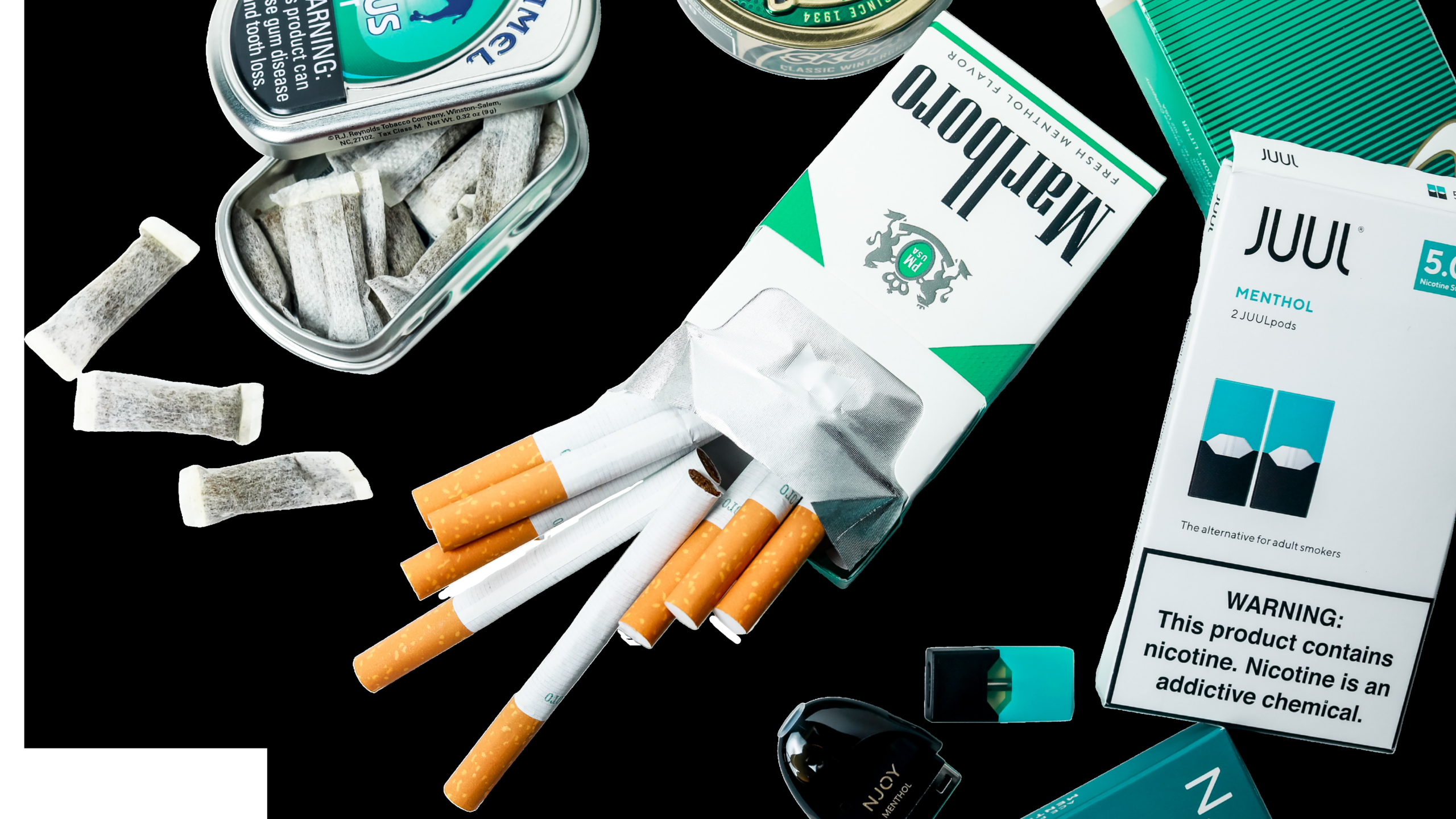
Tobacco and nicotine products that taste like candy, fruit and menthol make tobacco products more appealing, especially to young people.
By masking the harshness of tobacco, such flavors make it easier to start using these products and harder to quit.
How policy helps:
Eliminating the sale of flavored tobacco products reduces their appeal and helps protect both kids and adults from becoming addicted.
👉 Take action: Help end flavored tobacco in your community.
5. Tobacco retail licensing regulates tobacco sales
In many communities, tobacco products are widely available, including near schools and in neighborhoods where young people live.
When there are fewer rules about who can sell tobacco and where it can be sold, access increases – and so does use.
How policy helps:
Retail licensing sets standards for sellers and holds retailers accountable for following tobacco laws, enforces age restrictions and limits where tobacco is sold. This reduces access and helps prevent illegal sales to young people.
👉 Take action: Support stronger oversight of local tobacco retailers in your community.
Frequently asked questions about tobacco control
What are tobacco control policies?
Tobacco control policies are laws and programs that reduce tobacco use, prevent nicotine addiction and protect people from secondhand smoke.
Why is tobacco still a public health issue?
Tobacco remains a leading cause of preventable death because environments and policies still allow harmful products to be widely available and appealing.
How do tobacco policies reduce tobacco use?
They change conditions – making harmful products harder to access, less appealing and easier to quit.
You make the difference
These solutions don’t happen on their own. They happen because people speak up.
Heart Powered is part of a long-standing, nationwide effort to advance policies that lead to longer, healthier lives for all. When you add your voice, you help shape the decisions that protect communities and save lives.
👉 Take the next step: Join Heart Powered and take action on tobacco control policies today.