More than 30 years later, advocate feels more Heart Powered than ever
December, 11 2025
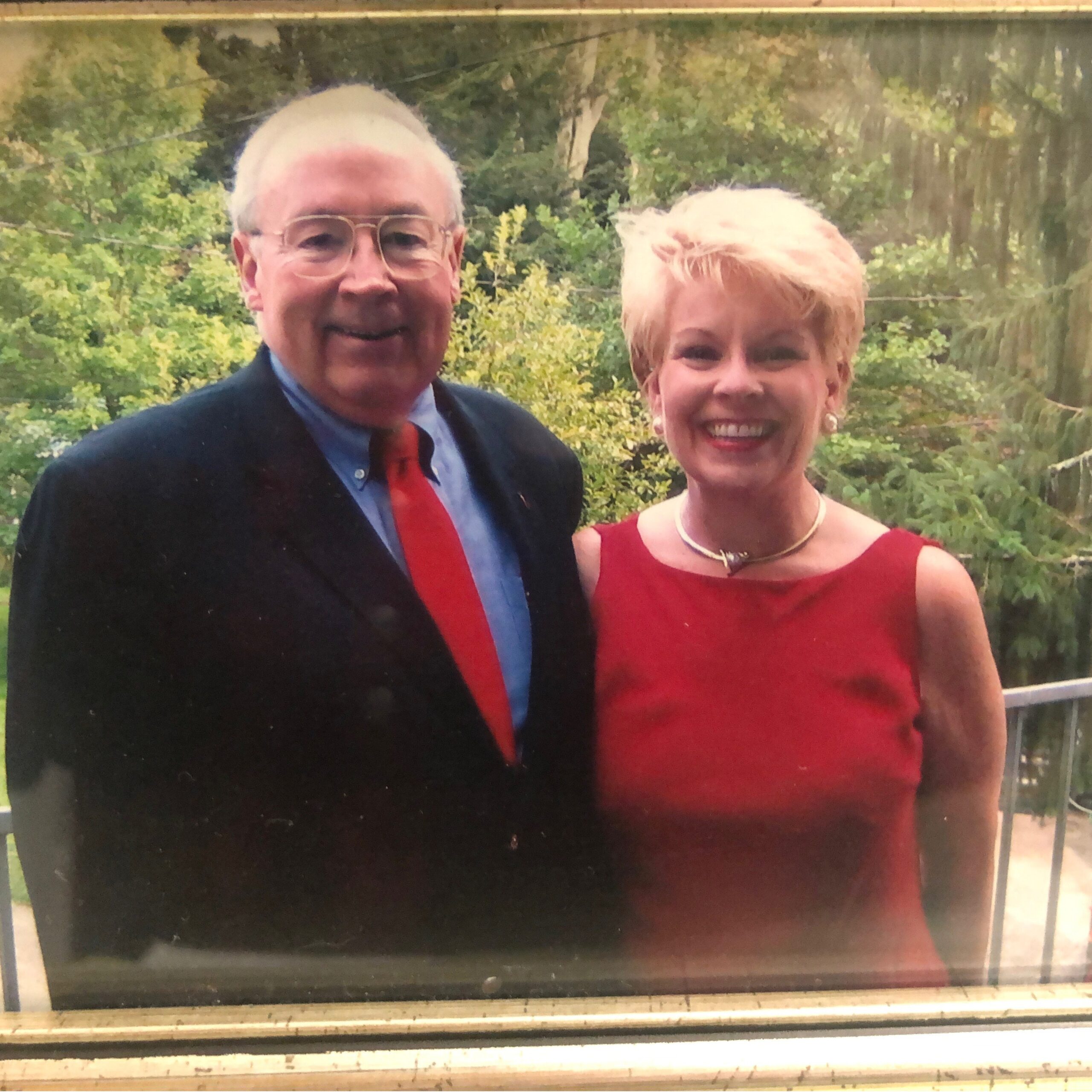
Pictured above: Peg O’Connell and her late husband Jim Long, together, were formidable foes to the Big Tobacco industry in North Carolina.
Peg O’Connell has spent more than three decades as an American Heart Association grassroots advocate in the Carolinas.
An attorney by training, O’Connell began her advocacy work in South Carolina, helping transform a state once ranked worst in the nation for cardiovascular disease, specifically stroke. She joined the “From Worst to First” campaign to improve stroke outcomes and help older Carolinians live longer, healthier lives. Already working on Medicare quality improvement, the alliance felt like a natural fit.
O’Connell quickly made an impact, and moved to North Carolina, where she continued working with the American Heart Association Southeast region, the American Lung Association and American Cancer Society to push for comprehensive smoke-free air laws.
In a part of the country where tobacco was an economic driver, there was initial concern among nonprofits that strong anti-tobacco messaging would alienate donors and harm revenue. But the American Heart Association spoke out boldly because it was the right thing to do – and others followed.
“The American Heart Association was so courageous,” O’Connell recalled. “They knew speaking out against tobacco was the right thing to do in the long run to save lives. It was courageous leadership, and I was glad to be on board.”
Little by little, as the campaign gained traction, people’s mindsets about tobacco began to change.
These efforts paid off. Following the 1998 Master Settlement Agreement, tobacco settlement funds began supporting prevention campaigns that had the impact of significantly reduced smoking rates in North and South Carolina.
Grassroots advocacy wins meant Big Tobacco losses over time
Major advocacy successes in North Carolina over the years
- 1990-2000: Worked with health directors and legal advisers on Project COMMIT and Project ASSIST, laying the groundwork for policy and environmental change to curb youth tobacco use and secondhand smoke exposure.
- 2001: Helped establish the Coalition for a Health and Wellness Trust, securing $18M in master settlement annual appropriation funds for prevention, education and treatment of tobacco-related illness.
- 2000–2010: Advocated for insurance coverage of FDA-approved tobacco cessation treatments across commercial plans, North Carolina State Health Plan and Medicaid.
- 2005: Helped launch the state’s first Quitline, which expanded from youth-focused to statewide support for all ages.
- 2006–2007: Led efforts to raise the state’s cigarette excise tax from five cents to 45 cents per pack.
- 2006–2010: Championed clean indoor air laws, making government buildings, schools, long-term care facilities, prisons and hospitals smoke-free.
- 2009: Helped pass the state’s biggest win—smoke-free restaurants and bars—resulting in a 21% drop in ER visits for heart attacks.
The fight continues
Despite decades of progress, O’Connell says urgent work remains. As a passionate American Heart Association Heart Powered advocate, she now focuses on preventing youth from using vape products and other newer tobacco products including oral nicotine pouches through the Tobacco 21 Coalition (T21). O’Connell advocates for Solly’s Law to raise the sales age of all nicotine and tobacco products to 21 and aims to establish tobacco retail licensing while the American Heart Association works to secure funding from the tobacco master settlement for tobacco use prevention and cessation programs.
Insurance Commissioner Jim Long quietly facilitated coalitions in North Carolina to make it clear that tobacco kills. The target audience for the coalition’s messaging was youths, but adults got the message as well.
Personal loss has only strengthened O’Connell’s resolve. After losing both her father, Frances D. O’Connell, and her husband, Jim Long, to stroke, she remains tireless.
“I’m Heart Powered because it’s the right thing to do. And the fight continues.”
To find out more about the American Heart Association Heart Powered movement, text HEART to 46839, or visit the Heart Powered site.