A New Frontier in the Fight Against Big Tobacco
July 8, 2026
Tobacco use remains the leading cause of preventable death in the United States. Nearly one in three kids who start smoking will die from it, and smokers lose an average of 10 years of life.
Yet despite decades of progress, the tobacco industry is not fading—it is evolving.
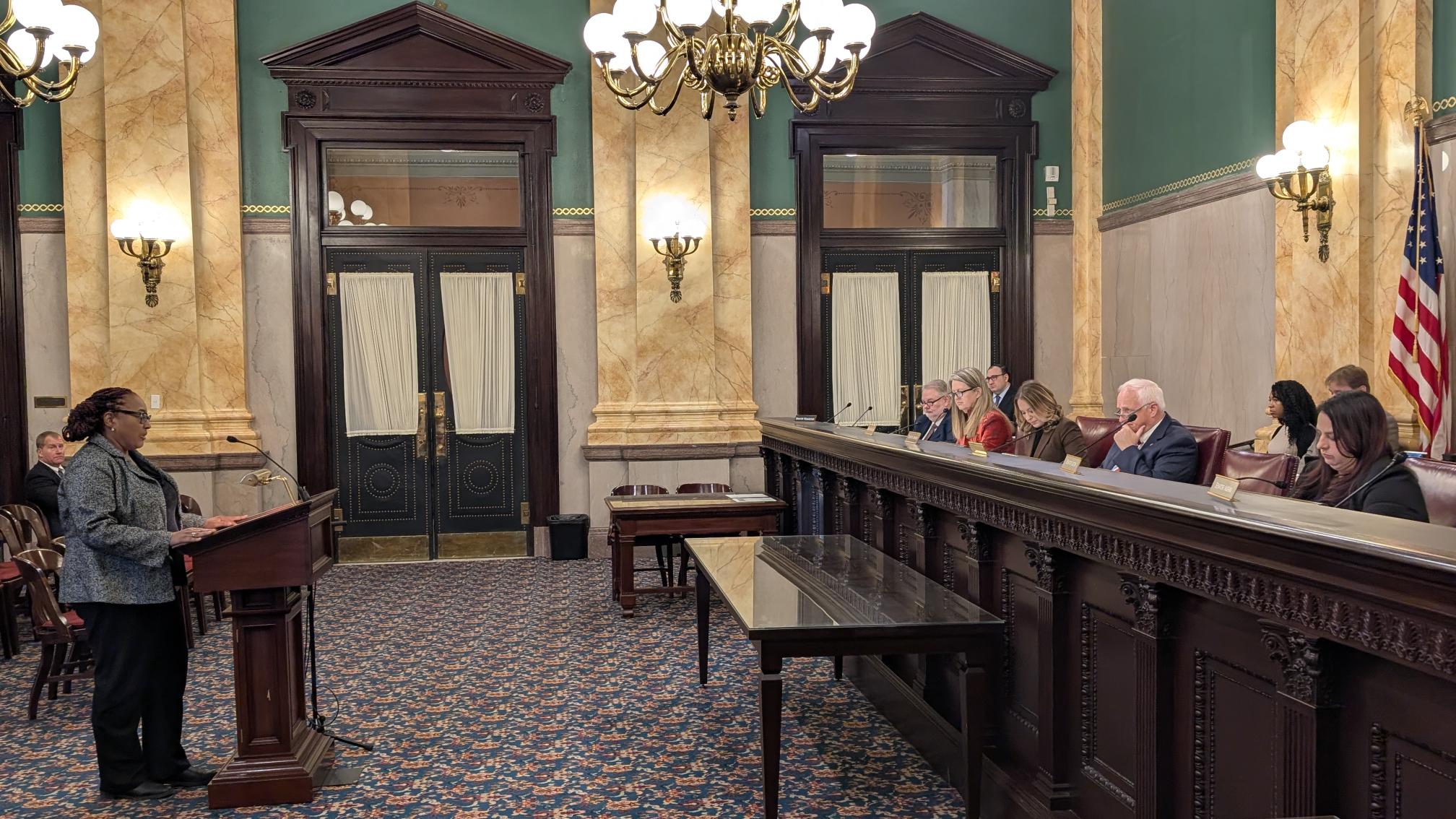
Recently, I worked on a campaign in Minnesota where a local council voted on an ordinance restricting flavored tobacco products and establishing tobacco retail licensure. These are proven tobacco-control tools. Tobacco retail licensure helps local governments enforce laws and hold retailers accountable, while flavored product restrictions reduce youth appeal and access to highly addictive products.
Typically, in those meetings, elected officials hear from community members concerned about health, organizations like the American Heart Association, and local vape shop owners worried about the impact on their businesses.
In the past, I rarely saw tobacco lobbyists involved in local policy discussions. At this meeting, there were two Big Tobacco lobbyists and a public health professional they had recruited who spoke about “harm reduction,” positioning newer nicotine products as safer alternatives. They repeatedly said they weren’t in the business of addicting children but wanted “safer” alternatives to cigarettes.
Let’s be clear: replacing one form of nicotine addiction with another still serves the same industry. Meanwhile, free, evidence-based quitting resources, such as state Quitlines, are readily available and offer a healthier path forward.
Even more concerning is the industry’s push in communities of all sizes to weaken long-standing smoke-free protections. Proposals to allow indoor smoking in cigar bars are gaining traction and growing broader over time. These carve-outs threaten to unravel decades of progress. This is not accidental. It’s a strategy. After years of losing ground, the tobacco industry is rebuilding influence at the local level—community by community.
That’s why the response must be just as persistent.
Protecting public health, especially the health of young people, requires staying vigilant, supporting strong local policies, and pushing back against industry tactics that prioritize profit over lives.
The progress we’ve made is real. But so is the risk of backsliding.
Now is the time to double down—not step back.
This blog post was written by Kelly Nichols, Community Advocacy Director at the American Heart Association. Kelly specializes in local public health policy and supports municipal and county initiatives that help create healthier communities. She understands that local decisions can have a direct impact on where people live, learn, work, and play. Her work focuses on advancing advocacy priorities that improve health outcomes and protect communities from preventable health risks.