CPR Ambassadors Take on the Massachusetts State House
April 13, 2026
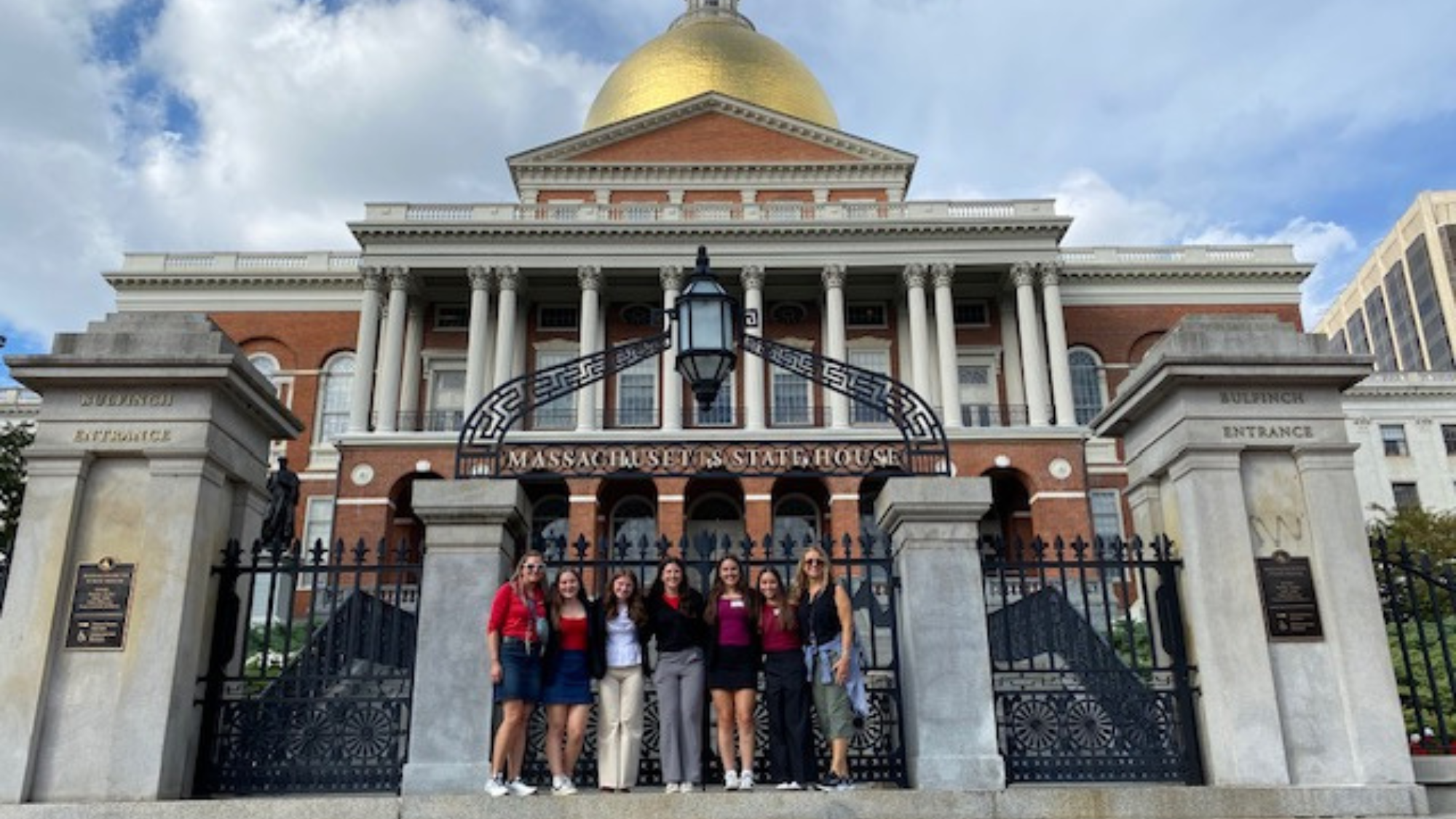
On October 7th, 2025, more than fifty high school ambassadors gathered at the Massachusetts State House for a hands only CPR demonstration and advocacy event organized by the American Heart Association. As part of Harvard CrimsonEMS and the American Heart Association’s CPR Ambassador Program, ambassadors were encouraged to reach out to their legislators ahead of time and invite them to stop by, learn CPR, and hear about legislation that could strengthen cardiac emergency response across the Commonwealth.
We began the morning together in a hearing room, where legislators and staff came in to meet students and learn hands only CPR. Ambassadors demonstrated proper compressions, explained why immediate CPR can double or even triple a person’s chance of survival, and spoke about the bills we were advocating for. These included funding and requirements for CPR in Schools, training for 911 telecommunicators in high quality Telephone CPR, and ensuring AED access in athletic facilities.
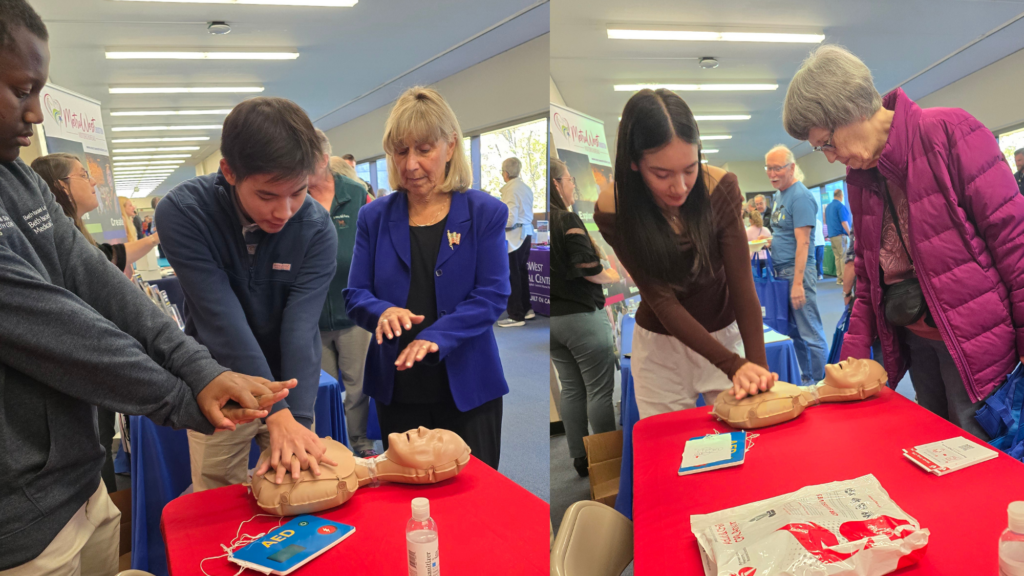
After the session concluded, ambassadors spread out across all five floors of the State House. They knocked on the doors of legislative offices, introduced themselves, and shared why CPR education matters to them. By the end of the day, ambassadors had reached approximately 150 congressional offices across the building. One student reflected, “I loved when we went and actively knocked on different doors. It felt like we were really making an impact.” Another added, “It was great to go to all the offices and talk to staff directly.” Moments like that captured what the day was really about: confidence, collaboration, and seeing advocacy as something tangible.
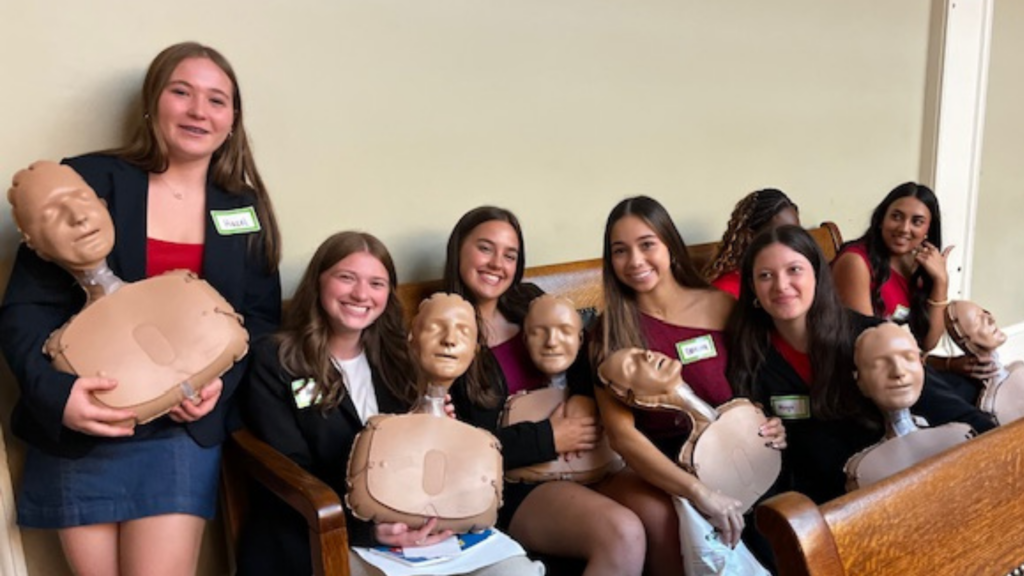
I spent much of the day in meetings I had scheduled ahead of time, visiting offices alongside American Heart Association advocate and cardiac arrest survivor Rebecca Scott and fellow ambassador Molly Zeng. Together, we taught hands only CPR to every office we met with. One representative even followed up via email afterwards and wrote, “Thank you for offering a CPR demonstration. The Judiciary suite is safer for it.”
Meanwhile, returning ambassadors moved throughout the building alongside new ambassadors, helping guide them through their first advocacy experiences. Many of the new ambassadors were nervous at the beginning, especially those teaching CPR to legislators for the first time. But, by their third or fourth conversations, they sounded noticeably more sure of themselves and clearer in what they wanted to share. Santiago Creuheras, a second year ambassador and cohort leader, summed it up best when he reflected on the day. “It was really inspiring seeing all the new ambassadors so motivated to make an impact, similar to when I first attended the State House Advocacy Day last year. It felt amazing that we had the opportunity and freedom to teach the legislators CPR.”
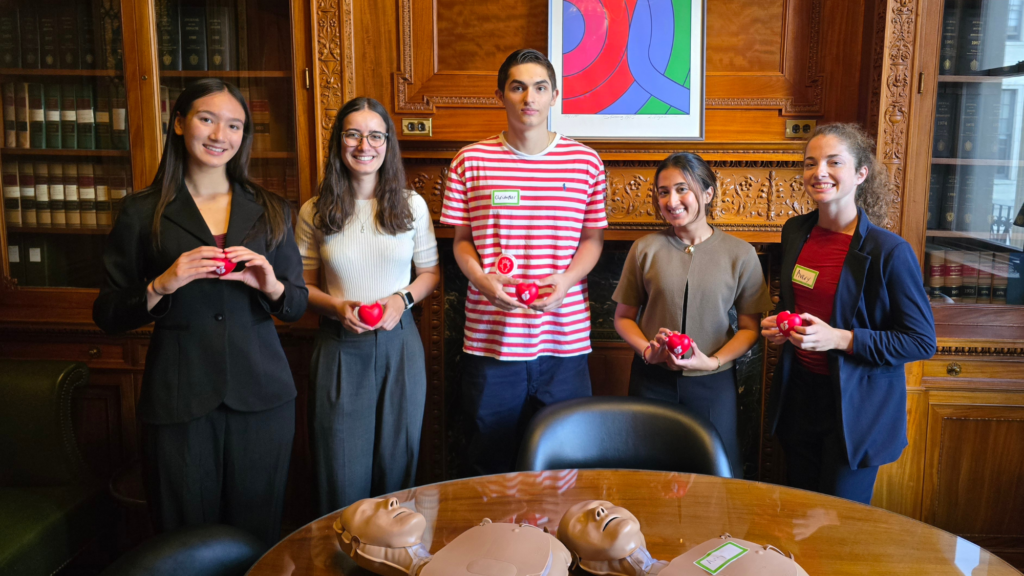
This event also reflected the growth of the CPR Ambassador Program itself. The program has expanded to nearly 120 ambassadors and has reached more than 10,000 people through CPR lessons and advocacy efforts. Several of last year’s ambassadors also now help lead the program and guide new participants as cohort leaders. Ambassadors have also helped pass seven municipal CPR resolutions in Boston, Cambridge, Lowell, Taunton, Somerville, Newton, and Brockton. Yet Massachusetts remains one of only nine states without a CPR in Schools requirement.
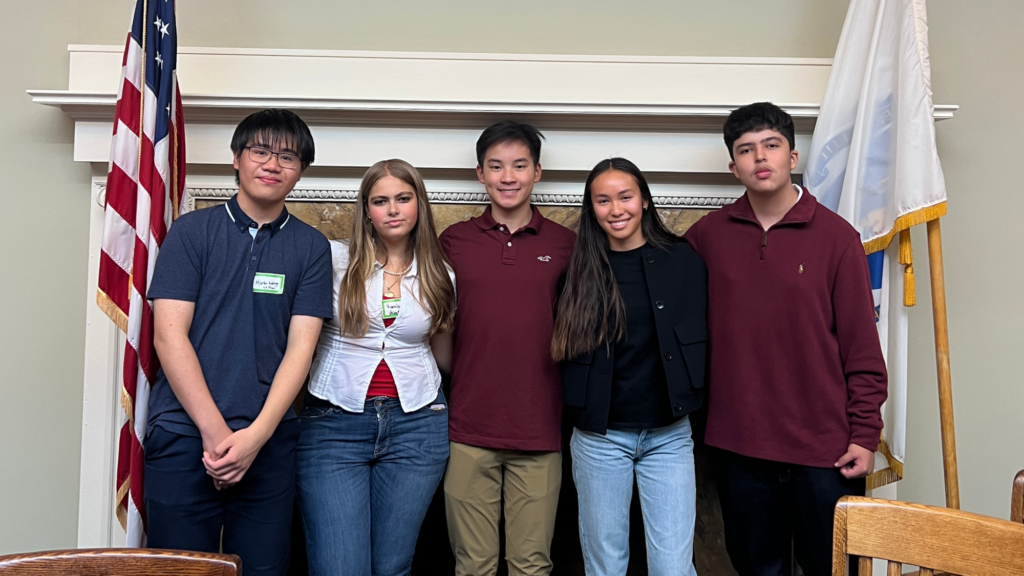
The day at the State House showed what young people can accomplish when they are trusted with meaningful responsibility. Students taught lawmakers a lifesaving skill, spoke about statewide gaps in CPR education, and demonstrated why funding and policy change are urgently needed. Offices were trained, conversations were opened, and many ambassadors left feeling more empowered than when they arrived.
But, there is still more work to do. If Massachusetts is going to ensure that every student graduates with the ability to save a life, legislators must act on CPR in Schools legislation. My fellow ambassadors and I are ready to keep the conversation going, and we hope more members of the public will join us in urging lawmakers to support these bills and strengthen cardiac emergency preparedness across the Commonwealth.