I Didn’t Know What a Stroke Was, but I Knew My Mom Was in Trouble
April 27, 2026
I was four years old the day I helped save my mom’s life.
I’m 17 now, and I understand so much more than I did back then. But there are some memories that never leave you, even when you’re little. That afternoon is one of mine.
Mom was 38 weeks pregnant with my baby brother. Our house felt busy and full and anxious for his arrival. I was getting ready to start elementary school. Mom was organizing and moving quickly even though she was very, very pregnant. Life felt exciting and normal.

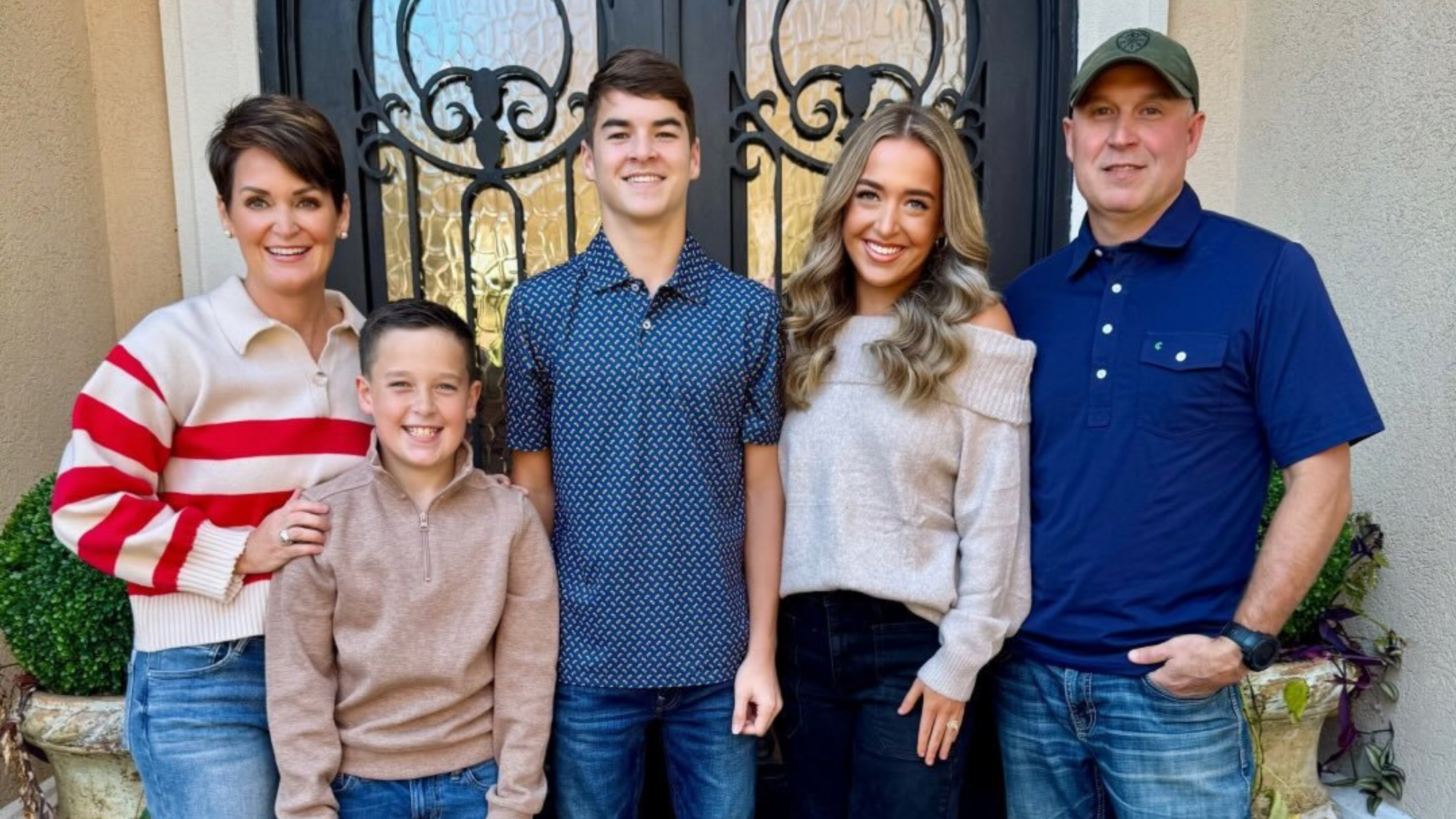
Presley (age 4) with her newborn brother, Beckam
What I didn’t fully understand then but absolutely appreciate now is that my mom is a science person through and through. She has a Bachelor of Science in Biology. My grandma has a master’s in healthcare and spent decades working in hospitals. And Mom has worked more than 20 years in the pharmaceutical industry, much of that in cardiology and oncology. Conversations about medicine, research, and heart health weren’t unusual in our house. Being proactive about your health was just part of who she was.
Which is why what happened next felt so surreal.
I remember her standing in our pantry holding a full bag of chocolate kisses – my favorite treat. She looked different. One side of her face wasn’t moving right. Her words sounded strange. She seemed scared, but calm at the same time.
Now, I know she was experiencing signs of a stroke – facial paralysis, trouble communicating, and numbness. At the time, I just knew something wasn’t right and my mom is in trouble.
She handed me the bag of chocolate and her phone. “Call 9-1-1,” she mumbled to me.
We had practiced before. She had shown me how to unlock her phone. She had made sure I knew our address. I don’t think she ever imagined I would need to use that lesson so soon or that I’d be four years old when I did.
But I dialed.
I told the operator our address. I told them my mom needed help. And then we waited for the paramedics.
As a child, I don’t remember feeling heroic. I remember feeling focused. I remember wanting my mom and my little brother to be okay.
At the hospital, she was diagnosed with a TIA, a transient ischemic attack, often called a “mini-stroke.” Because she was so close to delivering my brother, her doctors made the decision to plan his birth within days. There are parts of that time that are foggy for her. Trauma does that. But she has always told me she will never forget that I stepped in when she couldn’t speak for herself.
What I didn’t understand then but deeply admire now is how shocking this was for her. She was young. Healthy. Pregnant, yes, but strong. She had built a career around medicine and heart health. Stroke was something that happened to other people.
Except it didn’t.
She recovered completely from that TIA. Years later, she developed an arrhythmia that she still manages today. But instead of living in fear, she got even more intentional. She worked to eliminate modifiable risk factors. She leaned into medical support. She adjusted her lifestyle. She chose gratitude.
Her heart health journey started in her 30s, far earlier than she ever expected. And it changed the way our family talks about health forever.
Growing up, I didn’t just hear about heart health; I saw it lived out. I saw the doctor’s appointments kept. I saw hard conversations. I saw vulnerability. I saw strength. I saw advocacy.
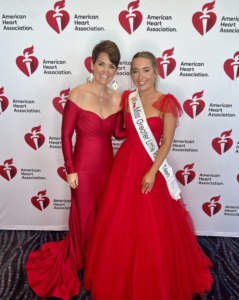
Jessie and Presley, Central AR Heart Ball 2025
Most importantly, I learned that knowing the signs of a stroke matters no matter your age. Preparing the people around you matters. Teaching your kids how to call for help matters.
Because sometimes the person who saves you is four years old and standing in the pantry waiting for you to feel better.
I don’t remember the chocolate kisses much after that day.
But I do remember my mom’s bravery. I remember her trust in me. And I carry the lesson with me now at 17: our health is never something to take for granted, and using your voice, even when it shakes, can save a life.
My mom says she’s grateful for her support system.
I’m just grateful I still have her.
As we recognize American Stroke Month, I’m reminded that stroke can happen to anyone, at any age, and in any moment—and that knowledge, preparation, and advocacy truly save lives. My story is just one example of why this matters so much to me, and it’s a big part of why I hope to become a pediatric cardiologist one day. I want to help kids and families to feel empowered, not scared.
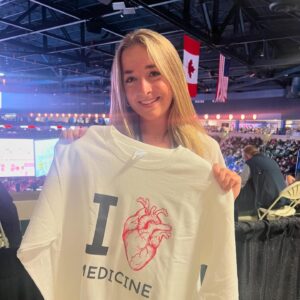
Presley attending Congress of Future Medical Leaders
Through the American Heart Association, you have the opportunity to turn awareness into action—helping educate others, support research, and ensure more families have the knowledge and resources they need before an emergency happens. I invite you to join me in becoming a Heart Powered advocate. You can stand up for policies that create healthier communities, improve access to care, and help prevent heart disease and stroke before they happen. It’s about speaking up, showing up, and being part of something bigger than yourself.
Will you join me?
With Heart,
Presley Bennett