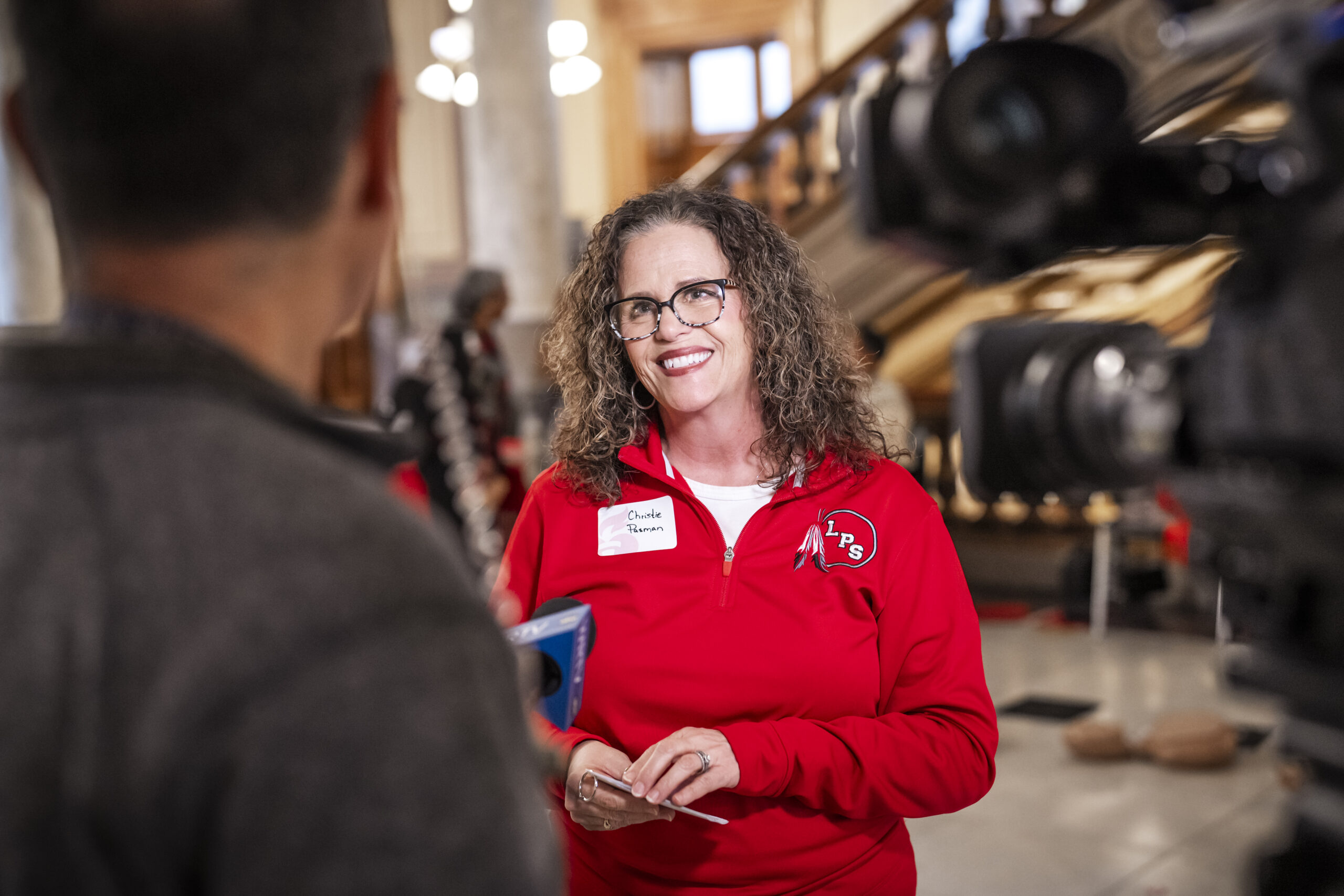
Advocate Spotlight: Christie Pasman
My momma always said, “Fail to plan, plan to fail.” I took this to heart,
literally. When my son, Patrick, was diagnosed at age four with Hypertrophic
Cardiomyopathy, I knew I had to have a plan. I knew I had to inform people in our smalltown about his condition.
When he was in 1st grade, I went to school to meet with his teachers and staff before
school started. We created an emergency action plan for him. For example, the P.E. teacher hung a poster for Patrick to stand under when he needed a break. This way, she
could teach and still keep an eye on him. All staff knew him and knew what to do if the
worst happened.
On August 28, 2006, while in P.E., Patrick suffered a cardiac arrest. The P.E. teacher
began CPR immediately, the nurse continued assessing him until the paramedics
arrived and could administer the life-saving shock with an external defibrillator. At the
time, we were told he was the youngest person to suffer a cardiac arrest and receive an
internal defibrillator in our town.
I give all the credit to the school and paramedics for saving his life. As a parent, it’s our responsibility to have a plan when we know about our children’s medical conditions. Cardiac Emergency Response Plans (CERPs) ensure that children without a diagnosis will receive the same quick, life-saving treatment.