Access to Healthcare Goes Beyond the Doctor’s Office
September 29, 2026
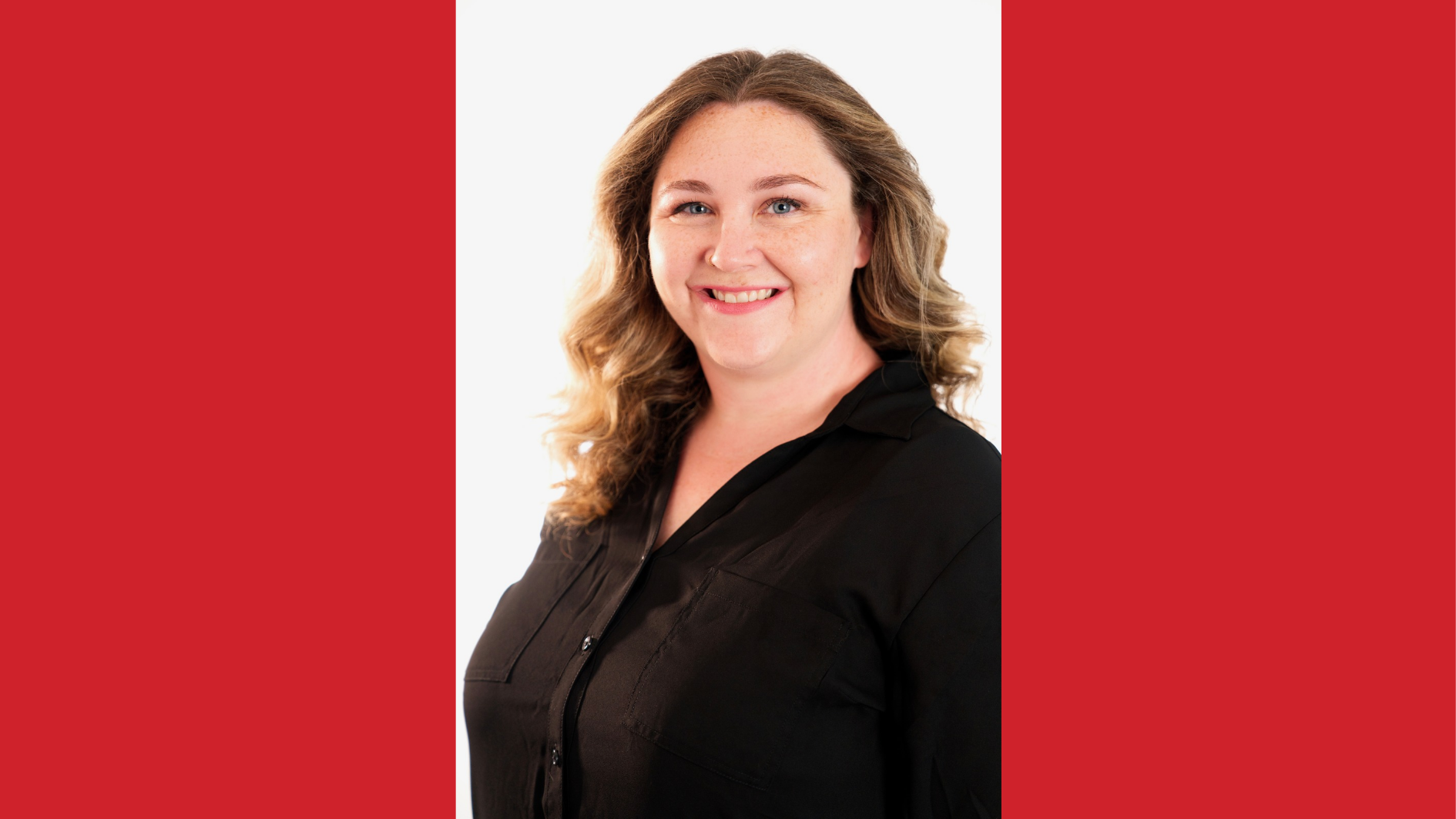
About the Author: Millie Wieczorek, MPH, is association director of community health for the YMCA of Greater Indianapolis, where she guides the Healthier Together coalition. She is passionate about improving the health of Hoosiers through prevention, partnerships and stronger communities. Her work is guided by a simple goal: making the healthy choice the easy choice.
When we talk about access to health care, we often think about whether someone has insurance or a doctor nearby. Those things matter, but true access goes further.
People need to be able to reach care, afford it, understand it and feel comfortable using it. And once they leave the doctor’s office, they need resources and support to put their care plan into action.
Improving health means looking at the whole picture, including what happens outside the doctor’s office.
What can get in the way of care?
Health is shaped in part by where people live, work, learn and play. These factors are often called social drivers of health.
Consider someone who has been told they are at risk for diabetes. A health care provider may recommend eating healthier foods and becoming more active. But what if that person cannot afford fresh food, does not have a safe place to exercise or lacks transportation to a follow-up appointment?
The care may be available, but barriers can make it difficult to use.
The same is true for heart health. Preventing and managing health conditions takes more than a visit with a health care provider. People also need access to resources and support that make it easier to take the next step.
Connection can help close the gap
This is where strong community connections can make a difference.
When health care providers and community organizations work together, they can help connect people to resources that support their health beyond the doctor’s office.
A health care provider may identify what a patient needs. A trusted community organization, such as the YMCA, can help connect that person with opportunities for physical activity, healthy food, wellness programs or social support close to home.
Partnerships like Healthier Together, a coalition guided by the YMCA of Greater Indianapolis, bring organizations and community members together to address barriers to better health across central Indiana.
Relationships matter, too. Having someone to exercise with, a group that offers encouragement or a trusted person who can help find resources can make healthy changes feel more possible. Social connection can provide support and accountability while also creating a sense of belonging.
Access to health care should not end when someone walks out of the doctor’s office.
Three ways to strengthen your connections
Ask about community resources. Talk with your health care provider about local programs and services that support your health goals.
Find support close to home. Community centers, libraries, faith communities and other local organizations can offer programs, activities and resources that make healthy choices easier.
Bring someone along. Invite a friend, neighbor or family member to join you for a walk, class or wellness program. Taking a healthy step can be easier with someone beside you.
Improving access to care takes collaboration. Health care providers, community organizations and residents each have an important role.
By connecting clinical care with trusted resources and relationships in the places where people live, work and gather, communities can make it easier for people to take care of their health.
That is how stronger connections can help build healthier communities — and help create a future where everyone has the opportunity to thrive.