When Seconds Count: Why AED Access Must Be Improved in Mississippi Schools
June 16, 2026
When a cardiac emergency happens, every second matters.
Quick access to cardiopulmonary resuscitation (CPR) and an automated external defibrillator (AED) can double or even triple a person’s chance of survival. But that only works if both can be started quickly and the device is nearby and easy to access in the moment it’s needed.
Mississippi’s recent law requiring Cardiac Emergency Response Plans (CERPs) is an important step forward. Schools now have guidance for how to respond to sudden cardiac arrest. But as implementation begins, one critical question remains:
Can someone get to an AED fast enough to save a life?
Access Matters as Much as Availability
Many schools already have AEDs on campus. But having a device in the building does not guarantee it will be accessible during an emergency. In some schools, AEDs may be:
- Located in offices or areas that are locked during parts of the day
- Too far away from athletic fields, gyms, or high-traffic spaces
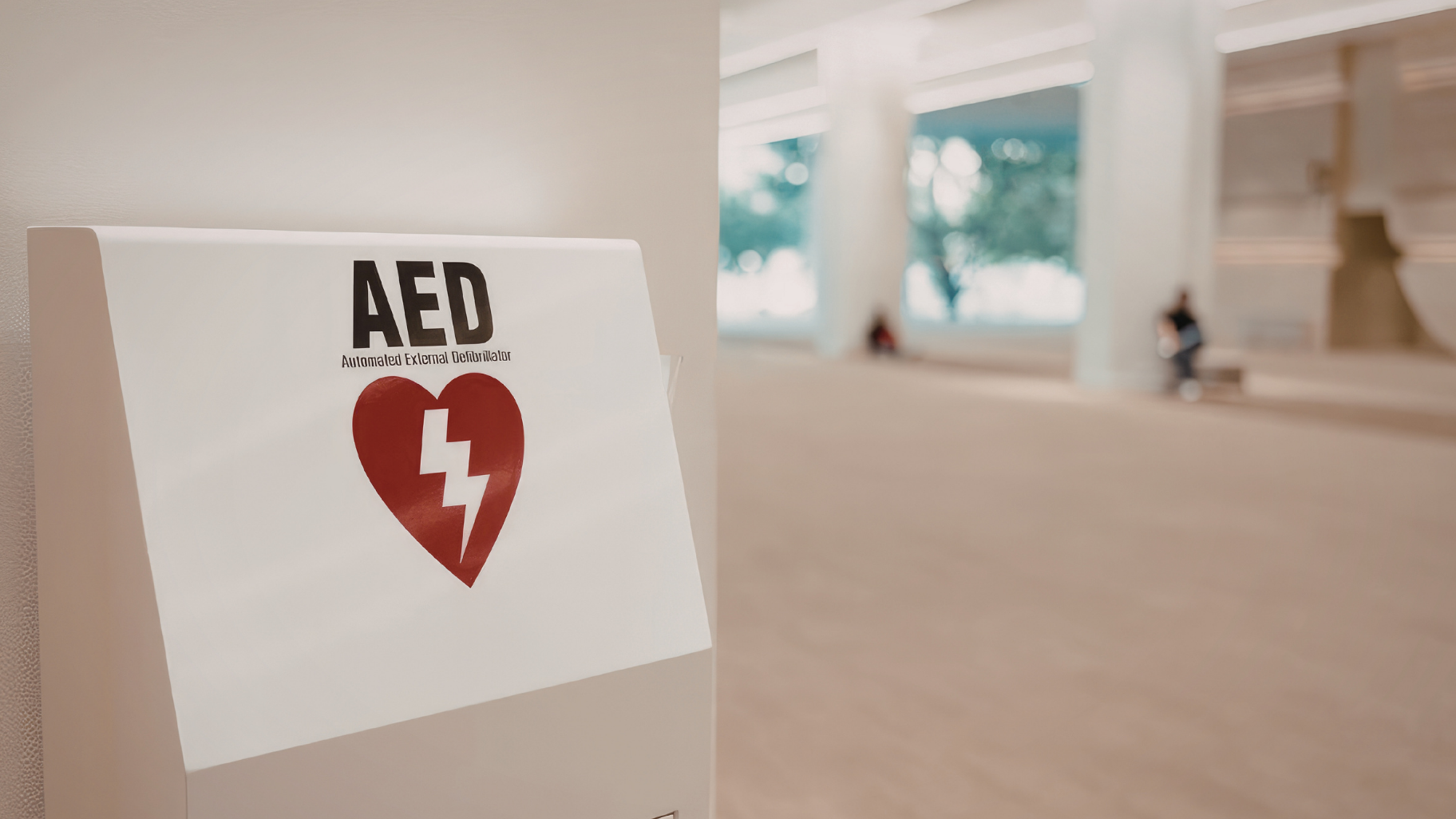
- Difficult to locate without clear signage
- Unavailable during after-school events or weekend activities
In a cardiac emergency, even a short delay can reduce the chance of survival. Emergency medical services often cannot arrive within the first few critical minutes. That means the people on-site—and the tools within reach—make the difference.
Best practices emphasize that AEDs should be placed so they can be retrieved and used within minutes, ideally within three minutes of a collapse.
Schools and communities can learn more about effective AED placement and response planning through the American Heart Association’s Cardiac Emergency Response Plan resources.
Closing the Gap
Cardiac Emergency Response Plans outline what to do in an emergency. But for those plans to work, schools must also ensure that AEDs are strategically placed and consistently accessible.
Strong policies can help schools:
- Place AEDs in high-traffic, highly visible locations
- Keep devices accessible during all school activities, including after hours
- Clearly mark AED locations with visible signage
- Regularly review placement as campuses and activities change
These steps can reduce response time and improve outcomes when every second counts.
Building on Progress
Mississippi has already taken an important first step by requiring schools to have Cardiac Emergency Response Plans. Now, there is an opportunity to strengthen that foundation. As policymakers and advocates look ahead, improving AED access and placement will be a critical part of ensuring schools are fully prepared to respond to cardiac emergencies. Because a plan is only effective if responders can act immediately—and that depends on having the right tools in the right place, at the right time.